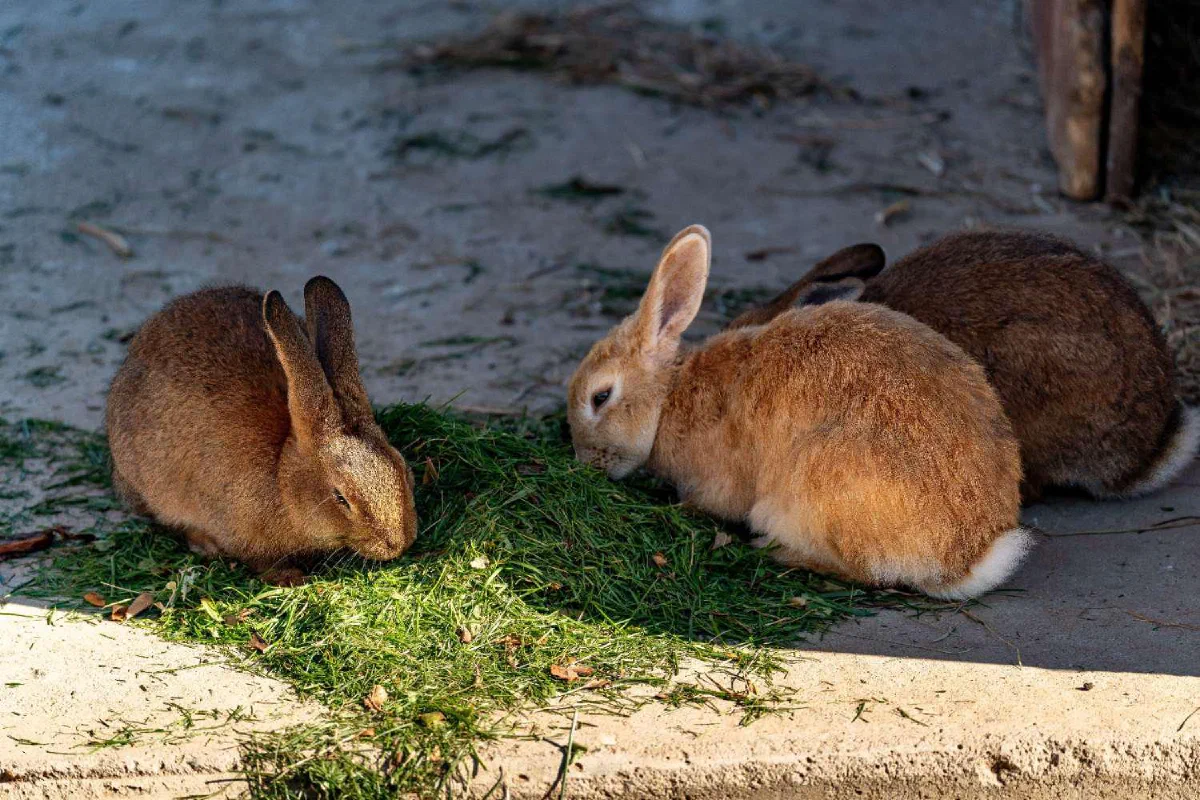
A short ferry ride from Japan's Hiroshima Prefecture takes visitors to an island where rabbits wander along paths, gather on grassy slopes and sometimes greet passengers almost as soon as they step ashore. Okunoshima is one of those unusual places that can turn an ordinary day trip into a story worth telling. But there is more to this island than its famous residents.
An island full of rabbits
Okunoshima lies in the Seto Inland Sea, near Takehara in Hiroshima Prefecture. Its free-roaming rabbits are the main attraction, and the experience is quite different from visiting a conventional animal park. Visitors can walk around the island, observe the animals in their surroundings and enjoy views of the surrounding sea and islands.
The number of rabbits changes over time, so treat dramatic claims about an exact population with caution. The origins of the colony are also disputed. One account associates the rabbits with animals released by schoolchildren in the 1970s, while another connects them to the island's wartime history. Japan's national tourism organisation makes clear that there is no settled account of their origins.
A visit works best at a relaxed pace. Take time for the coastal scenery, watch the rabbits without chasing or lifting them, and avoid leaving food, packaging or litter behind. Follow the island's posted rules for feeding rather than offering bread, sweets or other human food.
How to reach Okunoshima by train and ferry
The standard route is via Tadanoumi Port, rather than a direct boat from Hiroshima city. If you are already travelling around western Japan, first make your way to JR Mihara Station. From Mihara, the JR Kure Line takes approximately 20 minutes to JR Tadanoumi Station, according to Hiroshima's official tourism guide. From the station, walk about seven minutes to Tadanoumi Port. The crossing to Okunoshima takes roughly 15 minutes, depending on the service.
For travellers arriving from Hiroshima city or farther away on the Shinkansen, Mihara is a useful interchange before the local train to Tadanoumi. The island can also be reached from the Omishima side through Sakari Port, but check that the boat you select actually calls at Okunoshima.
Do not confuse the regular Tadanoumi services with the separate Rabbit Line from Mihara Port. Hiroshima's official tourism website reports that this Mihara–Okunoshima service is suspended, including beyond April 2026. A day trip should therefore be planned around an operating Tadanoumi departure unless a different service is officially confirmed.
Visit Takehara lists an adult one-way fare of around ¥360 from Tadanoumi, but this is not a price guarantee. Schedules differ by operator, season and sometimes day of the week. Check the latest outbound and return departures before leaving the mainland, especially if you plan to stay for sunset.
Beyond the rabbits: a difficult history
The island's peaceful appearance hides an unsettling past. In 1929 a secret factory began producing chemical weapons on Okunoshima. The operation remained concealed for years, and the island was even omitted from some maps. Today the Poison Gas Museum, opened in 1988, tells this history and explains its human consequences.
That contrast gives Okunoshima a depth that many animal-focused travel stories miss. A visitor can admire a rabbit beside a path in the morning, then spend part of the afternoon learning why the island became a secret military site. The rabbits are a reason to come, but the history deserves respect and time.
What else can you see?
Beyond the colony, Okunoshima offers sea views, walking paths, beaches and historic remains. The national tourism organisation recommends the Hill of the Evening Sun for sunset views and notes the lighthouse on the island's southern tip, which is not open to visitors. Some historic military structures can also be seen along the way.
Allow at least a few hours rather than rushing straight back to the pier. Facilities are more limited than in a city, and the last return boat matters: missing it can turn a simple day trip into a difficult logistical problem.
Before you go
Check the latest ferry timetable for your travel date and know which pier you need for your return. Carry suitable shoes and water, respect signs around ruins, and do not bring pets onto the island without checking the rules. If travelling with children, explain that the rabbits are living animals rather than attractions to pick up or chase.
Okunoshima is a particularly appealing addition to a wider Hiroshima-region itinerary. The journey itself, from local train to small ferry and then onto a quiet island, is part of the experience. It is the kind of detour that makes travellers remember not just where they went, but how they got there.
FAR-GO: A reason to go
Why go all the way to Japan for a small island? Because Okunoshima combines an unforgettable wildlife encounter, a Seto Inland Sea ferry ride and a history that few first-time visitors expect. Go for the rabbits, stay curious about the island, and plan the return boat before you lose track of time.
Explore Okunoshima ↗